Introduction
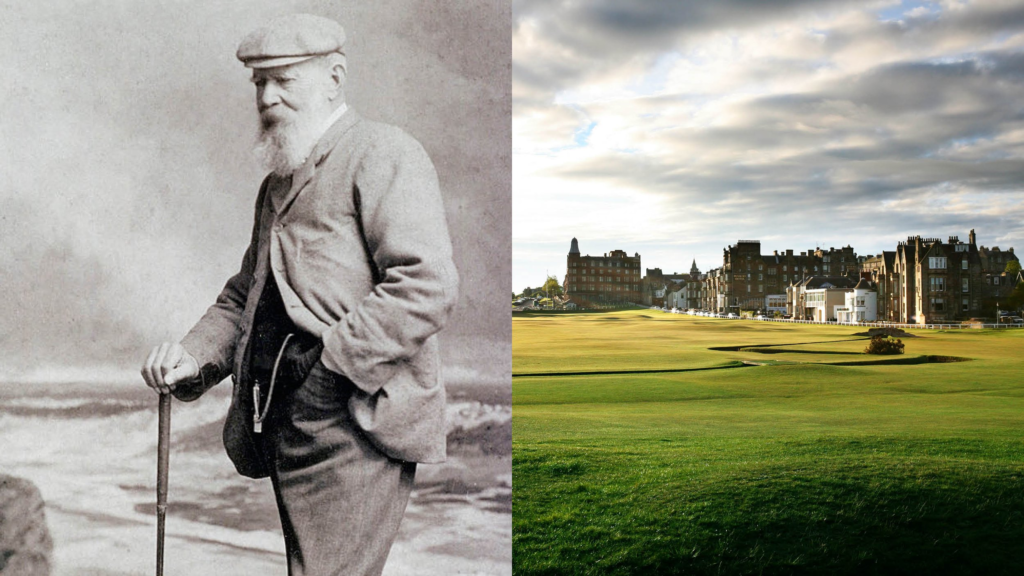
Imagine a world where the game of golf, as we know it, was just beginning to take shape, where the rules were not yet set in stone, and iconic tournaments were still in their infancy. The 19th century marked a pivotal era in the history of golf, transforming it from a pastime played on the windswept links of Scotland to a formalized sport celebrated across the globe. This period laid down the foundations of modern golf, introducing structured competition, standardized rules, and the birth of legendary tournaments and figures who would define the game for generations.
The Birth of The Open Championship
The Open Championship, often referred to simply as The Open, is the oldest of the four major championships in professional golf, and its inception in 1860 marks a cornerstone in the sport’s history. Held at Prestwick Golf Club in Scotland, The Open was originally contested by professional golfers, with the winner receiving the Challenge Belt, a prize funded by the club itself. This first tournament laid the groundwork for what would become a global spectacle, attracting the world’s best players to compete for the Claret Jug, a trophy introduced in 1872 to replace the Challenge Belt.
The significance of The Open cannot be overstated; it was the first step toward the global tournaments we see today, setting a precedent for competitive golf and establishing a template for how golf tournaments could be organized and played on an international scale.
Golf’s First Superstars: Old Tom Morris and Young Tom Morris
No discussion of 19th-century golf would be complete without mentioning Old Tom Morris and his son, Young Tom Morris. Old Tom, born in 1821, was not only a four-time winner of The Open but also a greenkeeper, clubmaker, ballmaker, and course designer, contributing to the sport in almost every conceivable way. His innovations and designs are still revered, with many of his principles guiding modern course design.
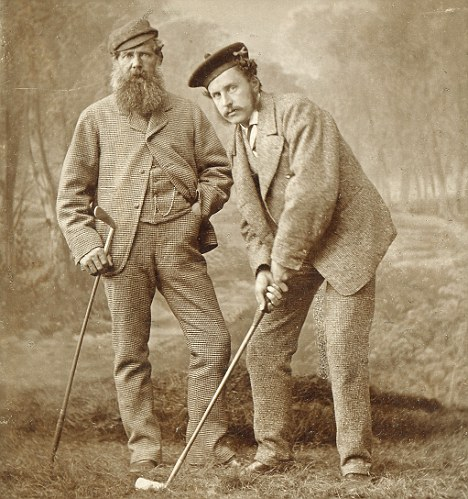
Young Tom Morris, born in 1851, took the golf world by storm, winning The Open four times consecutively from 1868 to 1872, a record that still stands for consecutive victories. His tragic early death at the age of 24 only added to his legend, cementing the Morris family legacy in the annals of golf history.
Iconic Courses and Expanding Popularity
The 19th century saw the creation and evolution of some of the most iconic golf courses in the world. St Andrews, the “Home of Golf,” played a crucial role in the sport’s development, hosting numerous Open Championships and becoming synonymous with the game. The establishment of prestigious courses such as Muirfield, Royal Liverpool, and Prestwick helped expand golf’s popularity, setting the stage for the sport’s international growth.
These courses were not just playing fields but crucibles where the rules and spirit of the game were tested and refined. They attracted golfers from across the British Isles and beyond, making golf a truly competitive and international sport.
Conclusion
The 19th century was a defining period for golf, an era of formalization and iconic championships that shaped the sport into what it is today. The legacy of this era—its tournaments, players, and courses—continues to influence modern golf, serving as a reminder of the game’s rich history and tradition.
As we look forward to exploring the 20th century, where golf’s expansion and professionalization would take it to new heights, we carry with us the lessons and legends of the 19th century, a time when golf truly became the game we love today.