Introduction
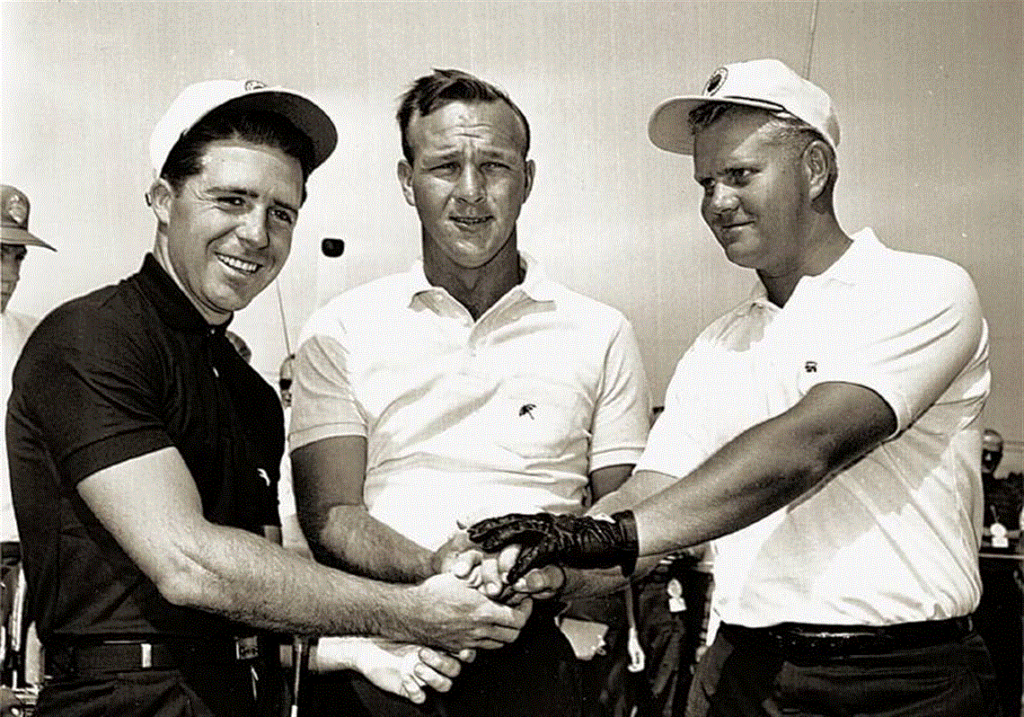
The mid-20th century marked a golden era for golf, significantly shaped by the advent of television and the rise of three legendary figures: Jack Nicklaus, Arnold Palmer, and Gary Player. Known collectively as the “Big Three,” their riveting rivalries and unparalleled sportsmanship catapulted golf into a new level of popularity. This blog explores the dynamic between these three icons, their impact on the sport, and how television played a pivotal role in bringing their epic battles into homes around the world.
The Rise of Television and Golf
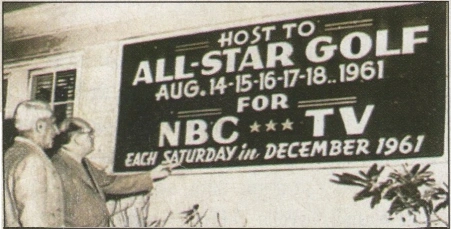
The 1950s and 60s saw the emergence of television as a dominant medium for entertainment and information. Golf, with its scenic beauty and dramatic moments, proved to be perfectly suited for TV. The timing coincided with the careers of Palmer, Nicklaus, and Player, whose compelling narratives and golfing prowess were now broadcasted to an expanding audience. Television transformed golf from a sport primarily followed by enthusiasts to one watched by millions, making celebrities of its top players.
The Big Three: Rivalries That Defined An Era
- Arnold Palmer: Known as “The King,” Palmer’s charismatic personality and aggressive playstyle won him a legion of fans, known as “Arnie’s Army.” His victory in the 1960 U.S. Open, where he charged from seven strokes back in the final round, is legendary.
- Jack Nicklaus: “The Golden Bear” emerged as Palmer’s chief rival, with a game marked by power and precision. Nicklaus’s victory over Palmer in the 1962 U.S. Open, in an 18-hole playoff, marked the beginning of golf’s most celebrated rivalry.
- Gary Player: The South African became the third pillar in this triumvirate, known for his fitness regimen and determination. Player’s win at the 1978 Masters, where he came from behind to win by one stroke, showcased his never-say-die attitude.
Their rivalries were not just about individual victories but were a battle for the soul of golf. Each brought something unique to the game: Palmer, with his everyman appeal; Nicklaus, with his clinical approach to the game; and Player, with his international flair.
Memorable Moments and Close Battles
One of the most memorable battles occurred in the 1962 U.S. Open, where Nicklaus defeated Palmer in a playoff. This victory was significant, marking the arrival of Nicklaus on the professional scene and setting the stage for a decade of rivalry.
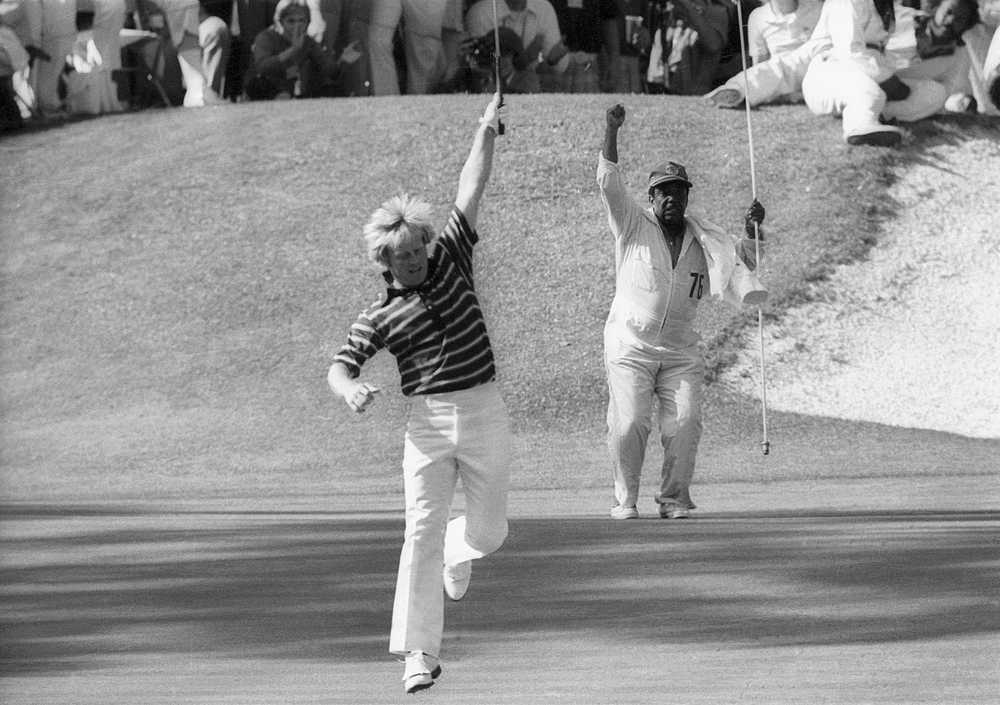
Another iconic moment was the 1975 Masters, considered one of the greatest tournaments in golf history. Nicklaus won, but only after a fierce competition that included Player and a young Tom Watson. The tournament is often cited as a defining moment in golf, showcasing the sport at its best.
Conclusion
The mid-20th century was a transformative period for golf, largely due to the emergence of television and the captivating rivalries of the Big Three. Their competitions were not just about golf; they were narratives of perseverance, rivalry, and friendship that resonated with millions worldwide. As we look forward to exploring the late 20th and early 21st centuries, the legacy of the Big Three remains a testament to the enduring appeal of golf.